
Author Archives: Chris Gehrz
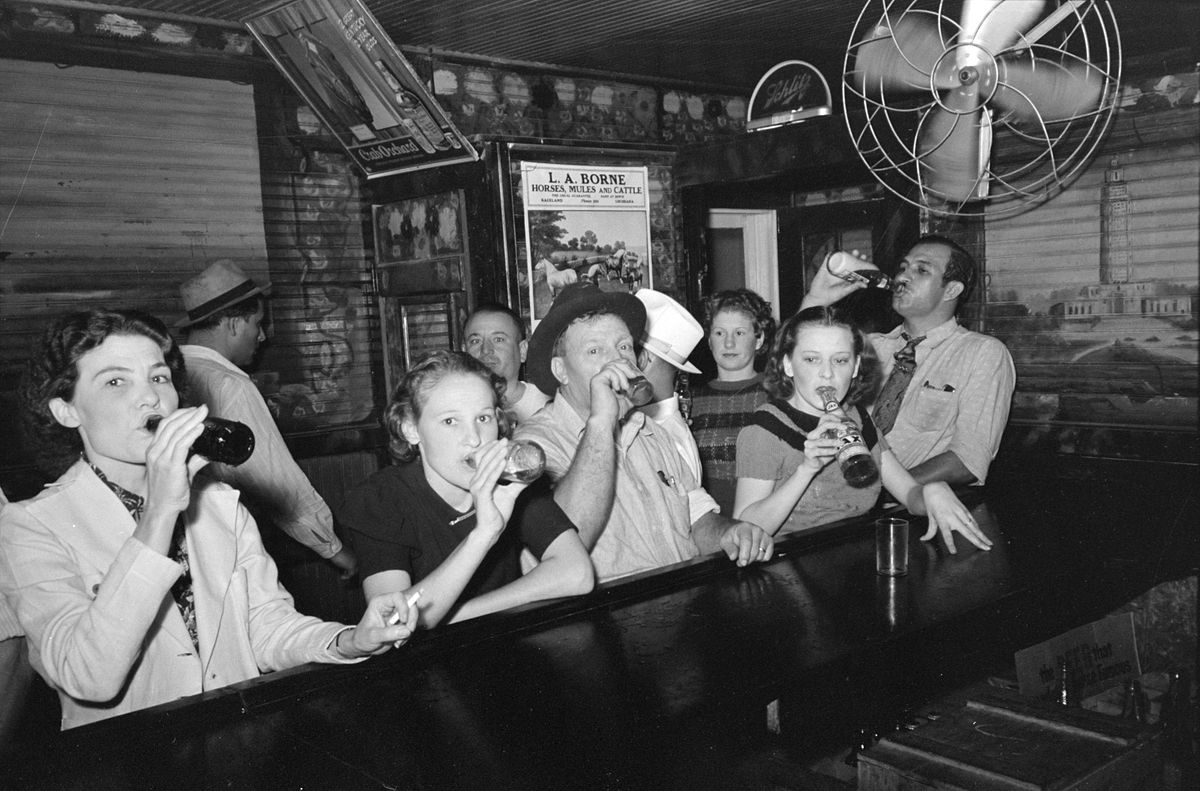
“A Greater Problem for Us”: War and Temperance
It took over two months for Our Youth, the youth ministry periodical of the Swedish Baptist General Conference (it dropped the first adjective in 1945, so I’ll generally stick with BGC as the acronym for this blog), to acknowledge that a second World War had begun in Europe. And when that notice finally came in mid-November 1939, it took a […]
Christians at War: A Peace Witness
The ease with which Bethel and its denomination embraced the war effort from 1941-1945 suggests that any interwar dalliance with pacifism had shallow roots. That comes into starker relief when you look at the history of an actual “peace church” and its colleges. Writing a history of Mennonite education in 1925, John Ellsworth Hartzler (president of the […]

When Bethel Had a Sibling
In 1910 just over 350,000 Americans (not quite 3% of the total population) were enrolled in a total of 951 institutions of higher learning; by 1920, enrollment neared 600,000 (almost 5% of population) and there were over a thousand colleges, universities, law schools, business schools, medical and dental schools, normal schools, seminaries, and other such […]
Christians at War: Pacifism or Isolationism?
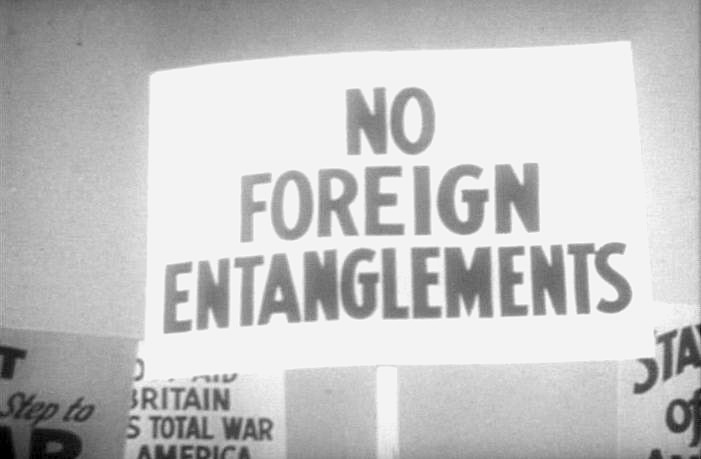
In contrast to the pacifist resolutions of the Swedish Baptist Conference in the interwar period, [Bethel] junior college fostered an extremely supportive attitude toward American political institutions and foreign policy. This included an intense identification with the value of democratic institutions; an emphasis on supporting a society at war; and an exploration of ways to […]

“We have among us very many Christian softies…”
In his posts on the Vietnam War, Fletcher has noted that Bethel-educated chaplains like Kenneth Carlson received a great deal of publicity from the Baptist General Conference. In the pages of the BGC’s chief publication, The Standard, these uniformed pastors were both “the primary mediators of the war to Conference laity” and “front-line soldiers in the global struggle against atheistic communism.” […]

Christians at War: A Pacifist Turn?
During and after the First World War, Bethel Academy principal A.J. Wingblade made a concerted effort to keep a full list of all those associated with Bethel who had served as soldiers, sailors, or nurses during the war. As many as could be reached were invited back to campus for a special reception on December 1919, where they […]

“The Kid in Upper 4”: Further Thoughts on Bethel Fundraising during WWII
Earlier this month I noted how “as the [Second World] war went on, ‘Loyalty’ began to be used in Bethel publications in such a way that loyalty to country and loyalty to God were put in service of loyalty to Bethel, and its desire for better facilities.” Starting in late 1942, the prewar practice of designating February […]

Christians at War: Introduction
I am afeard there are few die well that die in battle; for how can they charitably dispose of any thing, when blood is their argument? Henry V, IV, i They occupy indeed a higher place before God who, abandoning all these secular employments, serve Him with the strictest chastity; but “every one,” as the […]

The “Spanish Flu”
One of the more curious sections of Windows of Memory, the 1961 memoir by Henry Wingblade (Bethel president from 1941-1954, after having taught at the Academy and Junior College for many years), is his chapter on Bethel and world missions (no. 25). Instead of simply telling the stories of five Bethel alumni who entered the missions field, […]
Signe Erickson: A Bethel Martyr
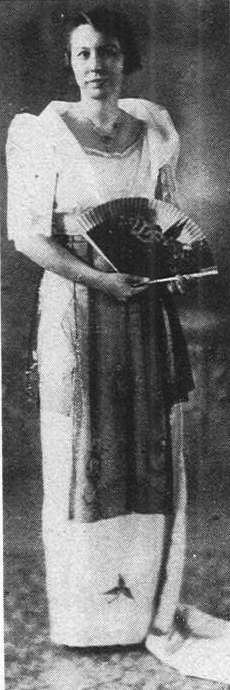
One day after their attack on Pearl Harbor, Japanese forces began their invasion of the Philippines. In December 1941 that commonwealth hosted twenty-one American Baptist missionaries, mostly working in hospitals and schools on the island of Panay. By April 1942, with American and Filipino defenses collapsing, only eleven of those missionaries remained at liberty. With the help of a […]

 Bethel at War 1914 - 2014